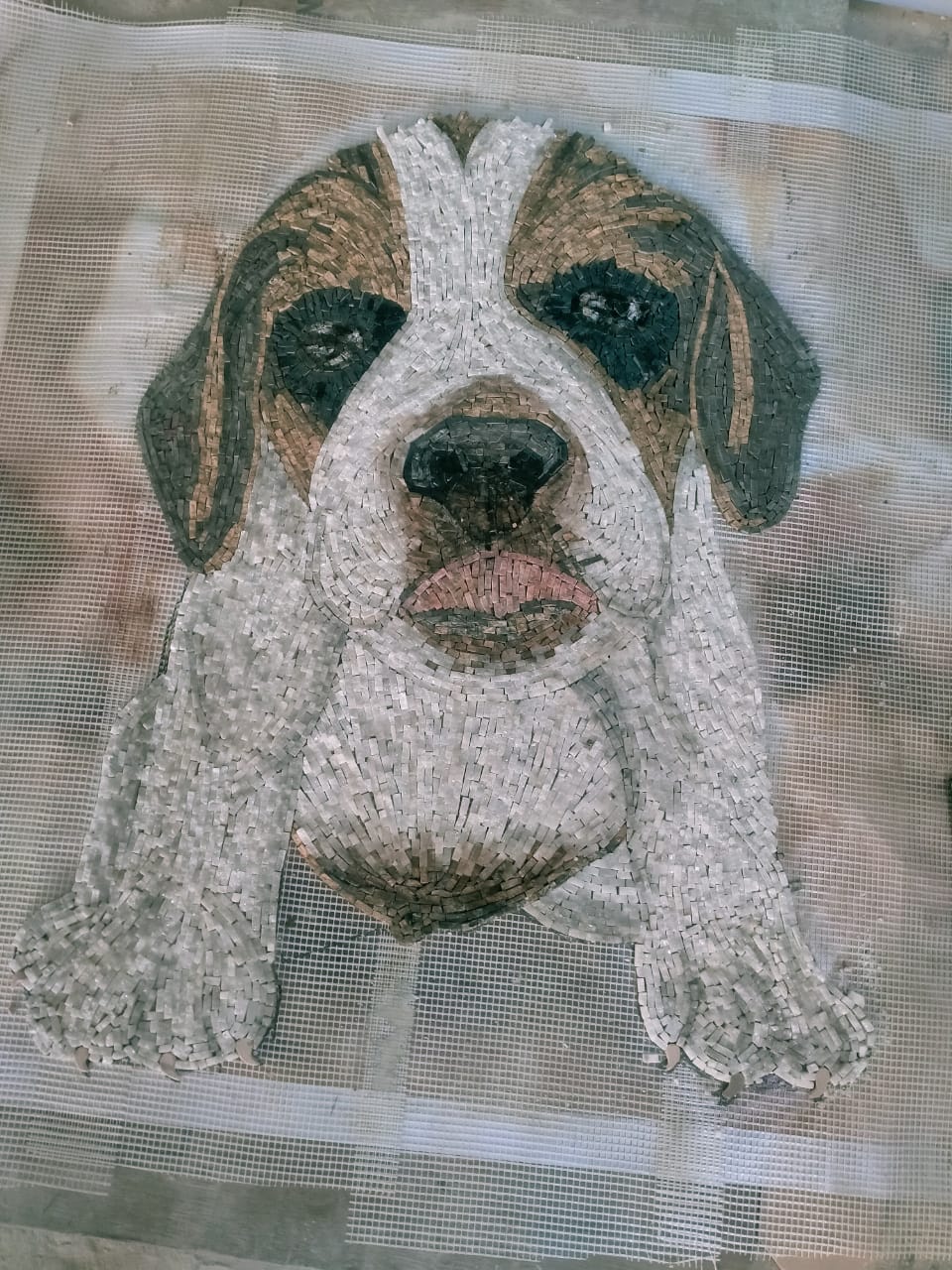
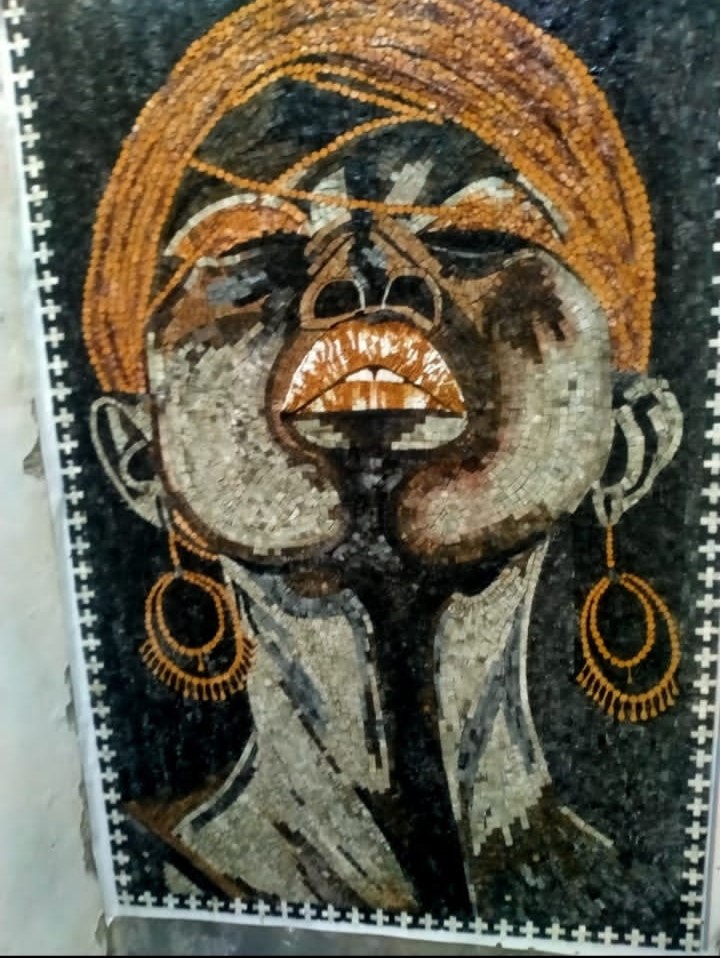
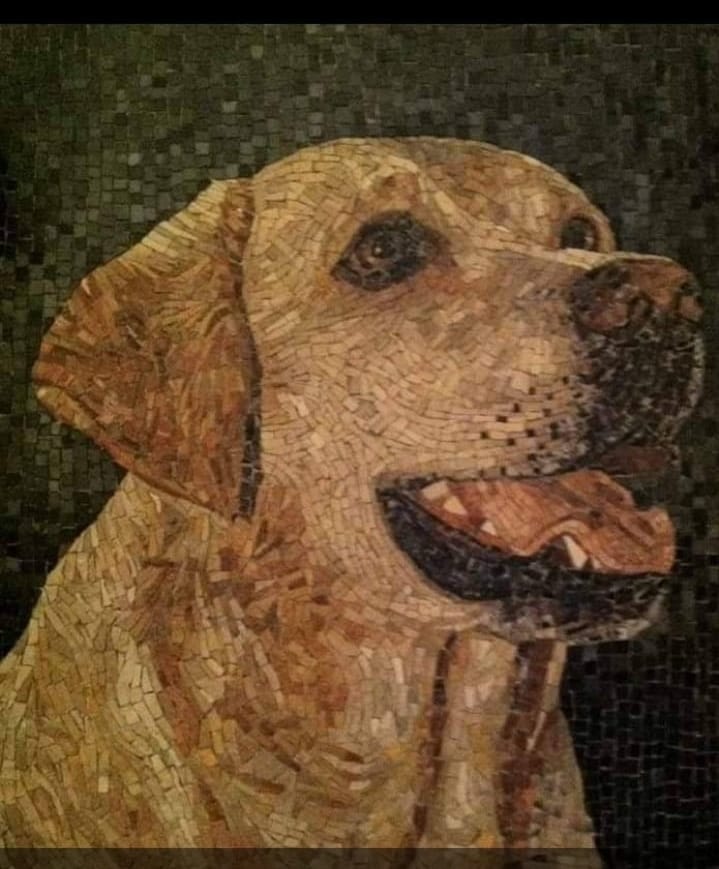
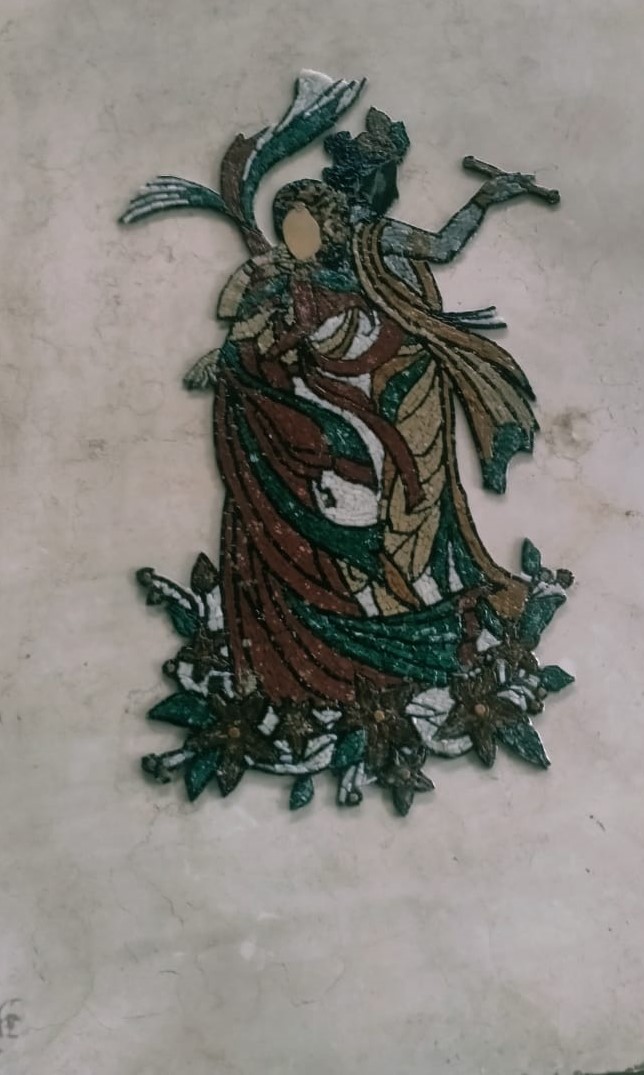
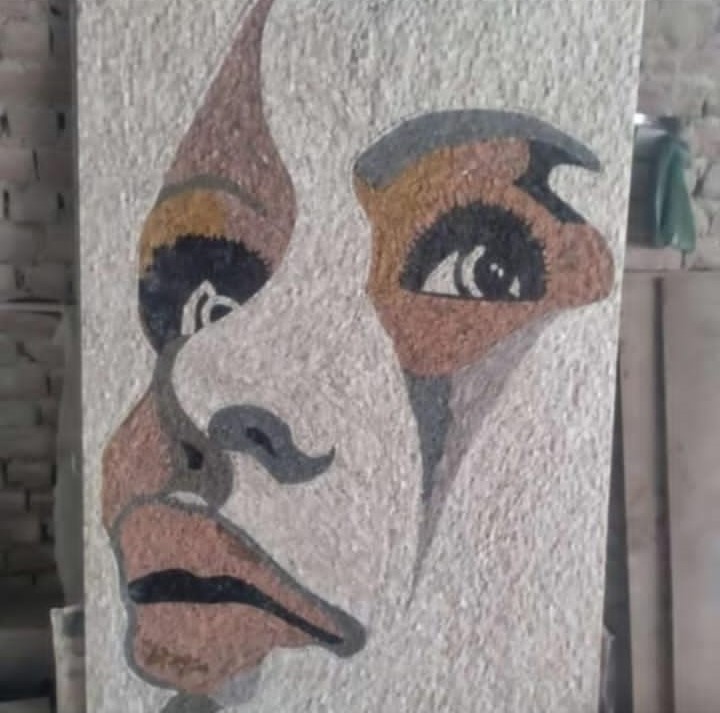
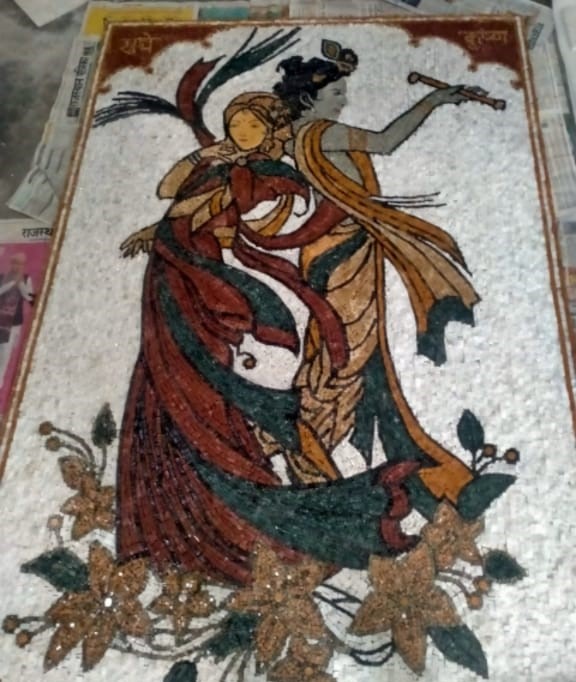
Basalt is a versatile and widely used rock due to its durability, strength, and aesthetic appeal. Its applications range from construction and infrastructure to artistic and cultural uses, making it an important material in various industries. Basalt is typically dark gray to black in color, and it often has a slightly metallic or glassy appearance. It has a fine-grained texture, meaning its mineral crystals are too small to be seen with the naked eye. Basalt is relatively hard and durable, making it suitable for various construction and architectural purposes. Uses of Basalt: Basalt is used as a construction material for a variety of applications, including road construction, concrete aggregates, and as a base material for pavement. Its durability and resistance to wear and weathering make it a popular choice for these purposes. Basalt can be cut into slabs and tiles for use in building and architectural projects. It is often used for flooring, countertops, and cladding due to its attractive appearance and durability. Basalt is used in landscaping projects for features such as paving stones, walls, and decorative boulders. Its dark color and rugged texture are visually appealing. Basalt can be processed into fibers and used in the production of insulating materials, such as rock wool. These materials are used for thermal and sound insulation in construction and industry. Artists may use basalt for sculptures and art projects due to its workability and aesthetic qualities. When basalt weathers and erodes, it can produce black sand, which is found on some beaches, especially in volcanic regions. Crushed basalt is often used as a base material for roads and highways due to its durability and load-bearing capacity. In some cases, finely ground basalt is used as a soil amendment to provide essential nutrients and improve soil structure. In some cultures, basalt has historical, spiritual, or traditional significance and may be used in rituals or art forms.